Mirror Lace About
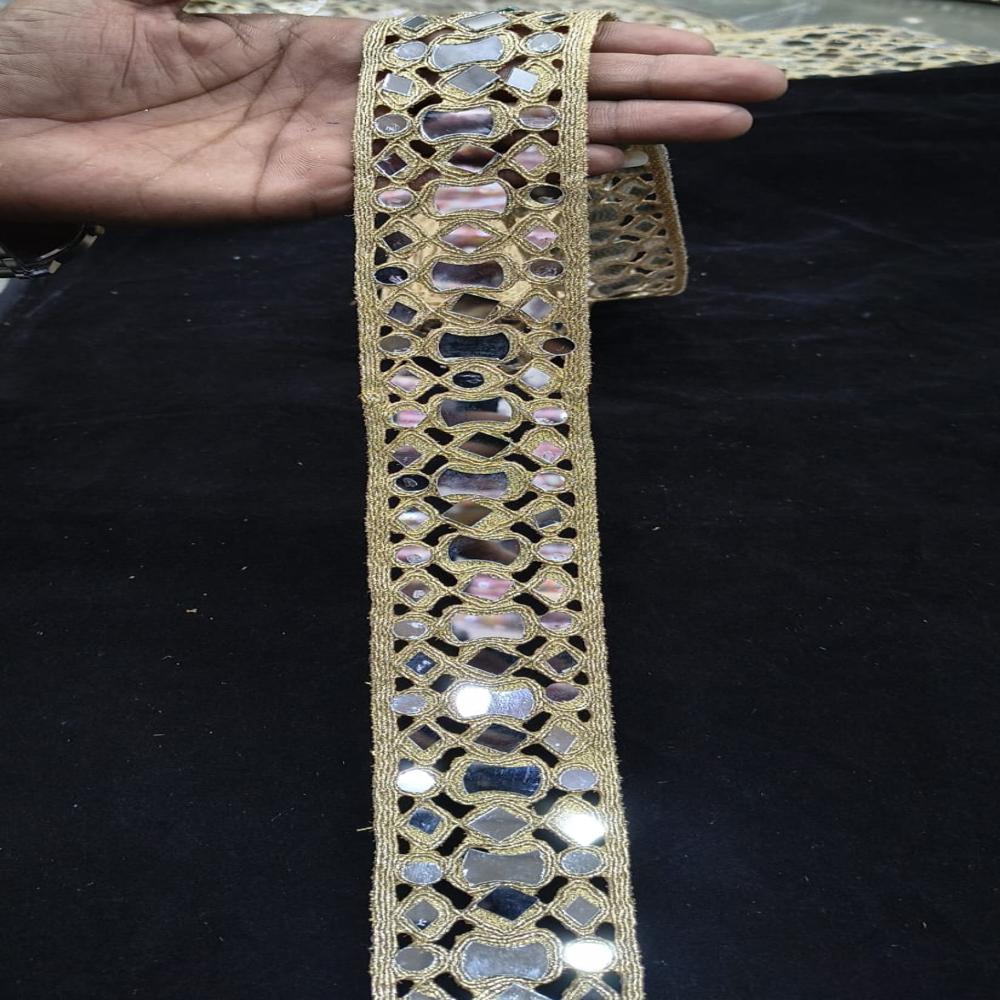
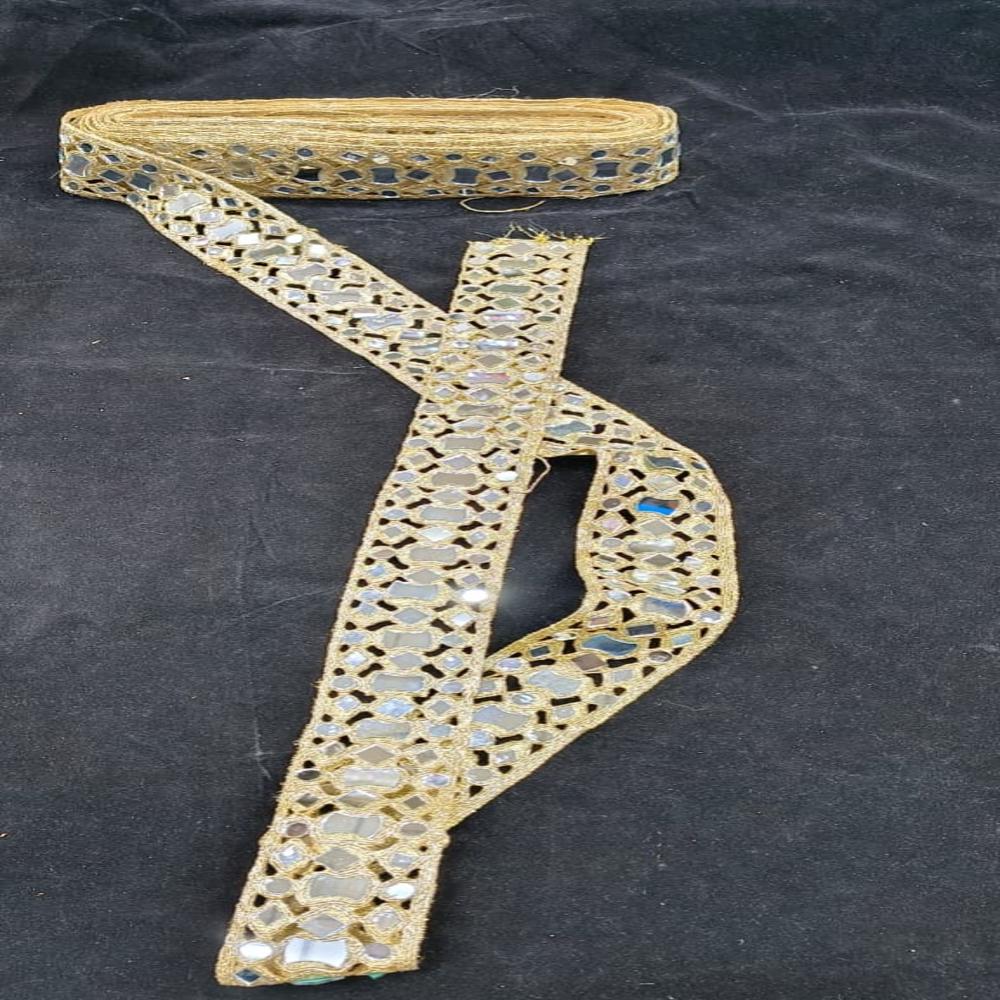
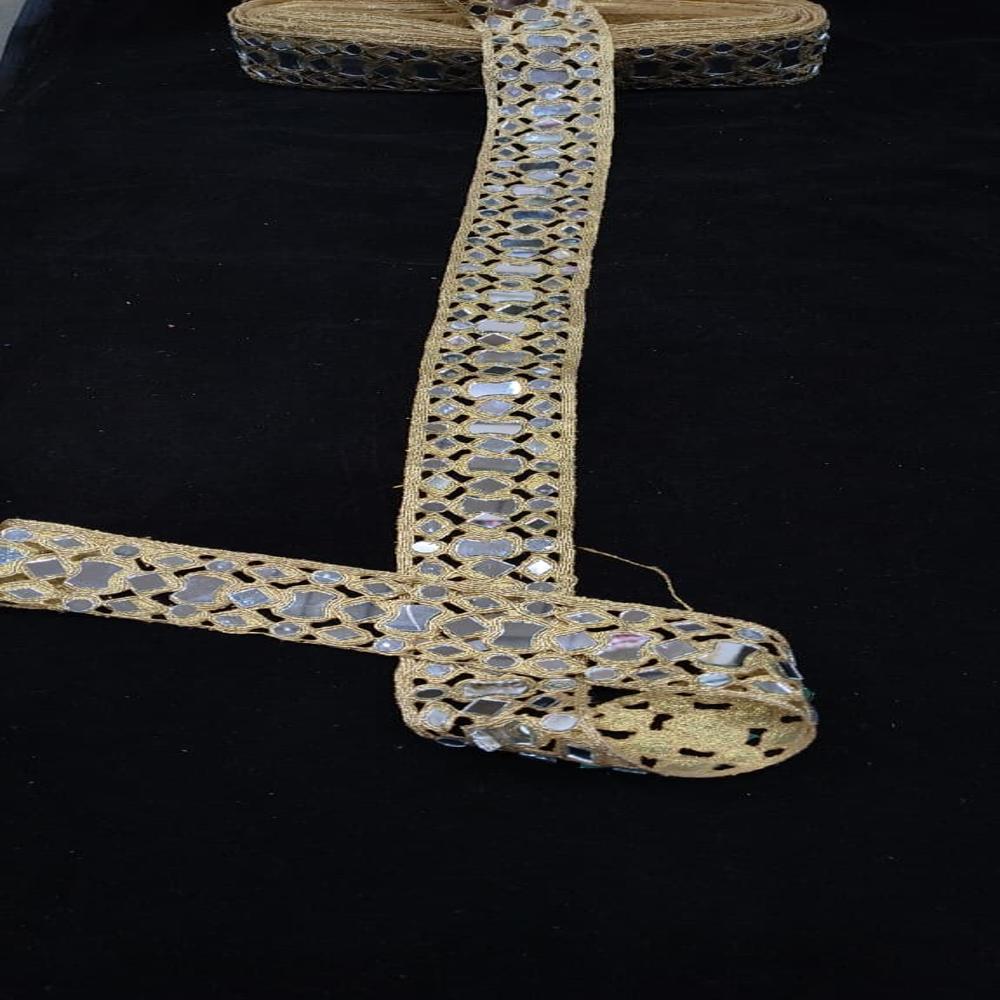
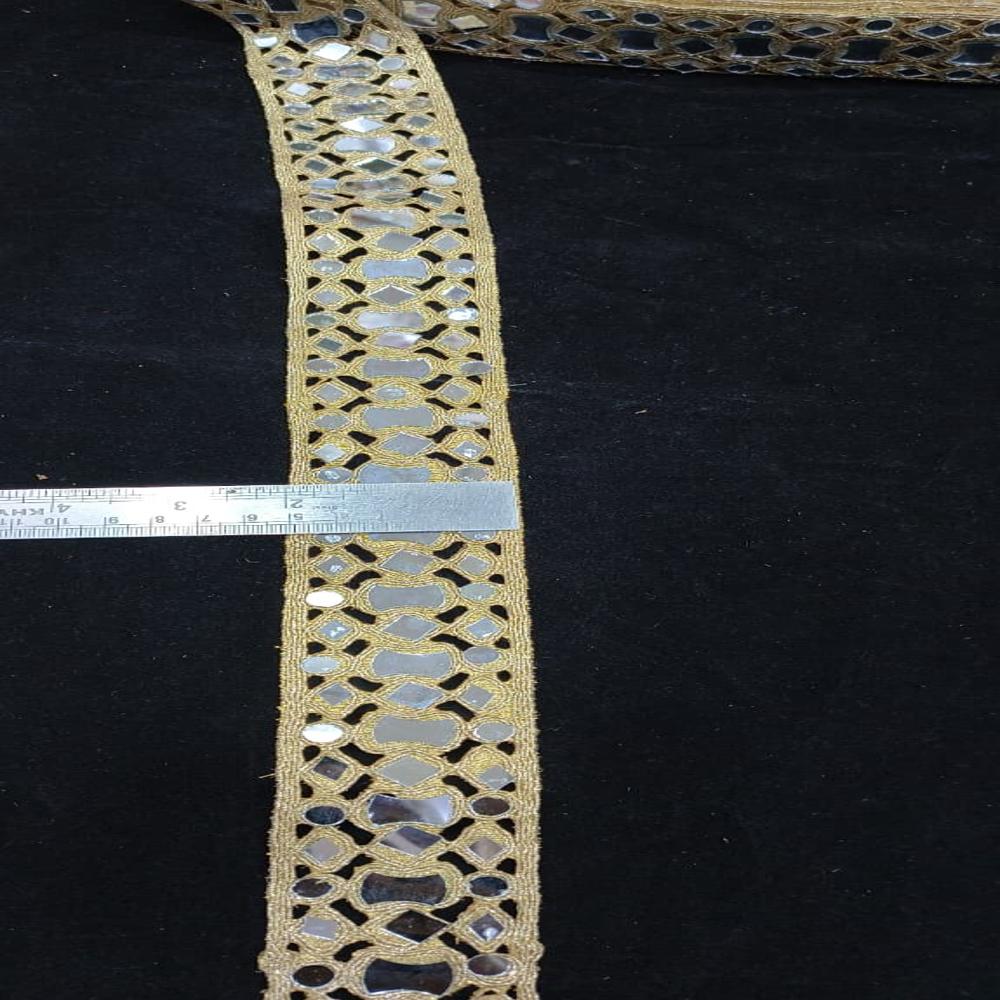
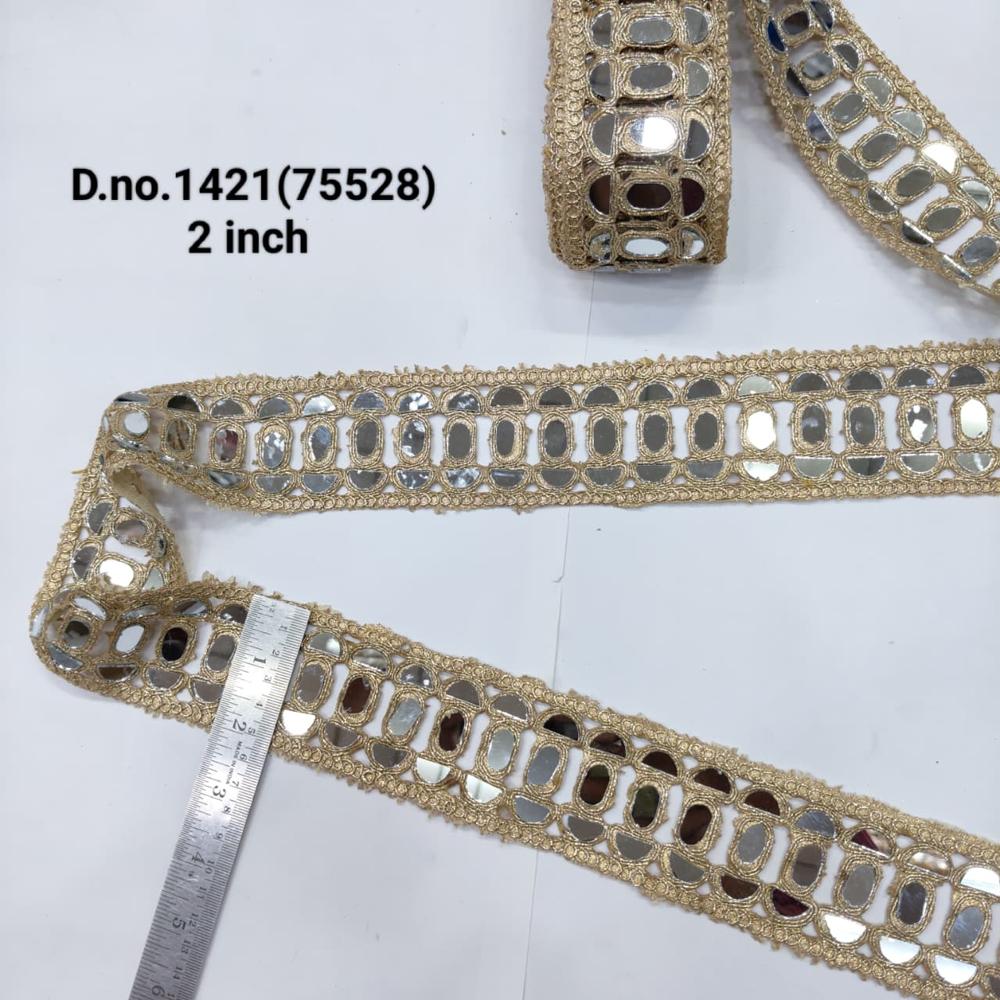
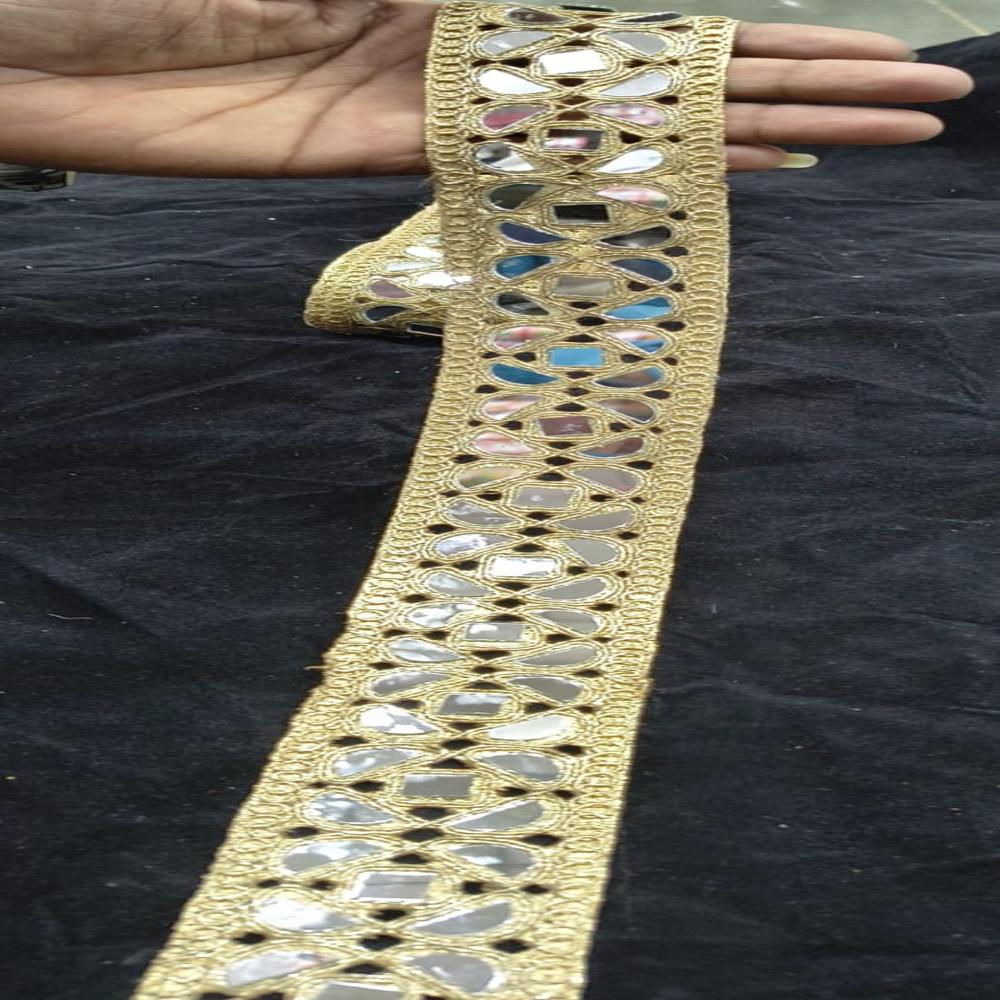
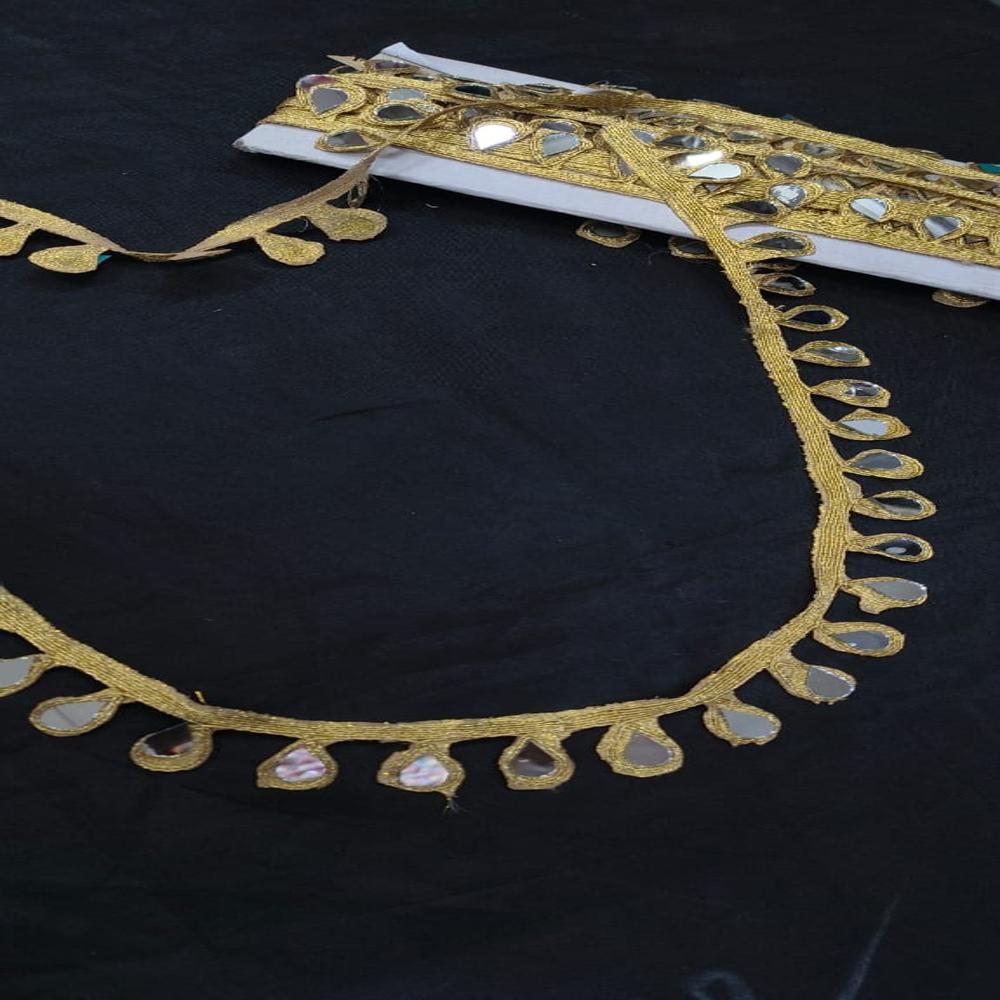
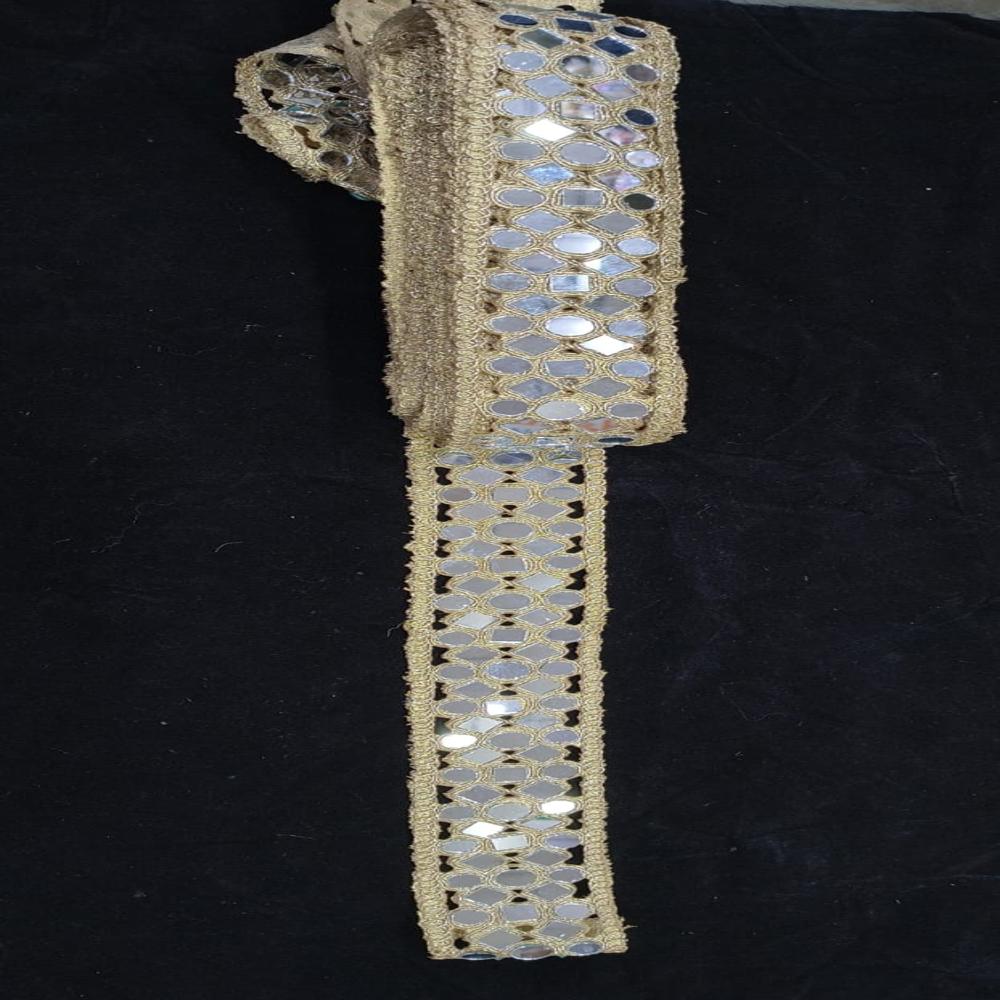
Mirror lace is a captivating textile design that blends delicacy with brilliance, creating a visually striking fabric that feels both elegant and contemporary. At its core, mirror lace combines the intricate patterns of traditional lacework with reflective embellishmentsoften small mirrored pieces or metallic accentsthat catch and scatter light. This fusion transforms a classic material into something far more dynamic, making it a favorite choice for statement garments and decorative pieces.
The beauty of mirror lace lies in its balance between softness and shimmer. Lace itself is known for its airy, openwork structure, typically crafted with fine threads arranged into floral, geometric, or abstract motifs. When mirrors or reflective elements are introduced, the fabric gains a new dimension. Each tiny reflective surface acts like a point of light, creating a subtle sparkle during the day and a more dramatic gleam under artificial lighting. This interplay makes mirror lace particularly popular in evening wear, festive outfits, and cultural attire.
Craftsmanship plays a crucial role in the creation of mirror lace. The process often involves skilled artisans who carefully embed mirrors into the lace without compromising its delicate structure. These mirrors may be stitched, glued, or framed within embroidered borders to ensure durability. In many traditional techniques, especially in South Asian textiles, mirrors are secured with intricate hand embroidery, adding another layer of artistry. The result is not just a fabric, but a piece of craftsmanship that reflects heritage and attention to detail.
Mirror lace is highly versatile in its applications. In fashion, it is used to design dresses, blouses, sarees, dupattas, and even accessories like scarves and handbags. Designers often use it as an overlay on solid fabrics to create contrast and depth. The reflective quality makes it ideal for occasions where visual impact is key, such as weddings, parties, and performances. Beyond clothing, mirror lace is also used in interior dcor, appearing in curtains, table runners, and decorative wall hangings to add a touch of elegance and brightness to spaces.
Another appealing aspect of mirror lace is its ability to adapt to different styles. It can be bold and dramatic with large mirrors and dense patterns, or subtle and refined with tiny reflective accents scattered across fine lace. Color choices also influence its effectdark backgrounds enhance the sparkle of mirrors, while lighter shades create a softer, more ethereal look. This adaptability allows mirror lace to suit a wide range of tastes, from traditional to modern aesthetics.
Despite its beauty, mirror lace requires careful handling. The delicate threads and attached mirrors make it more sensitive than regular fabrics. Gentle washing, minimal wringing, and proper storage are essential to maintain its structure and shine. When cared for properly, mirror lace retains its charm and continues to captivate with its unique blend of texture and light.
In essence, mirror lace is more than just a decorative fabric; it is a harmonious blend of tradition, craftsmanship, and visual allure. Its intricate patterns combined with reflective accents create a timeless appeal that continues to inspire designers and delight wearers across cultures.






 Send Inquiry


 Send Inquiry
 Send Inquiry
 Send SMS
 Call Me Free