About Mirror Lace
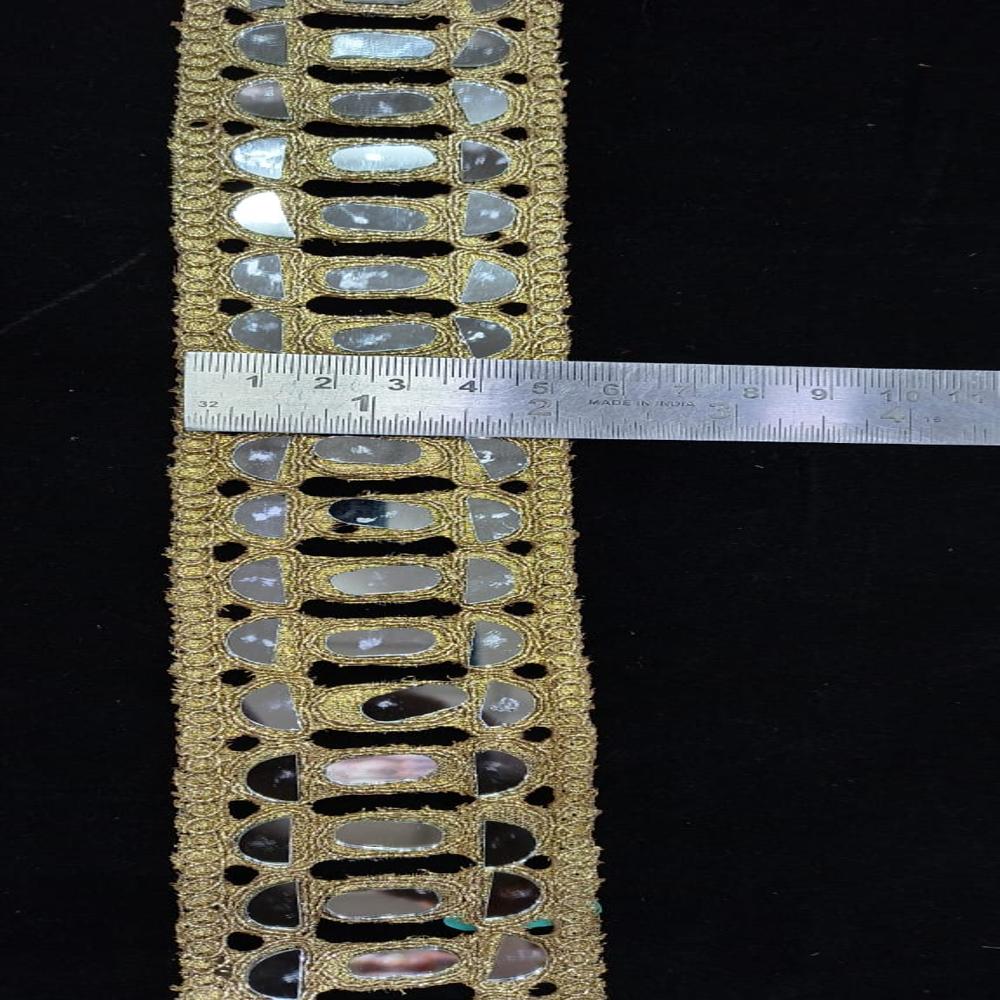
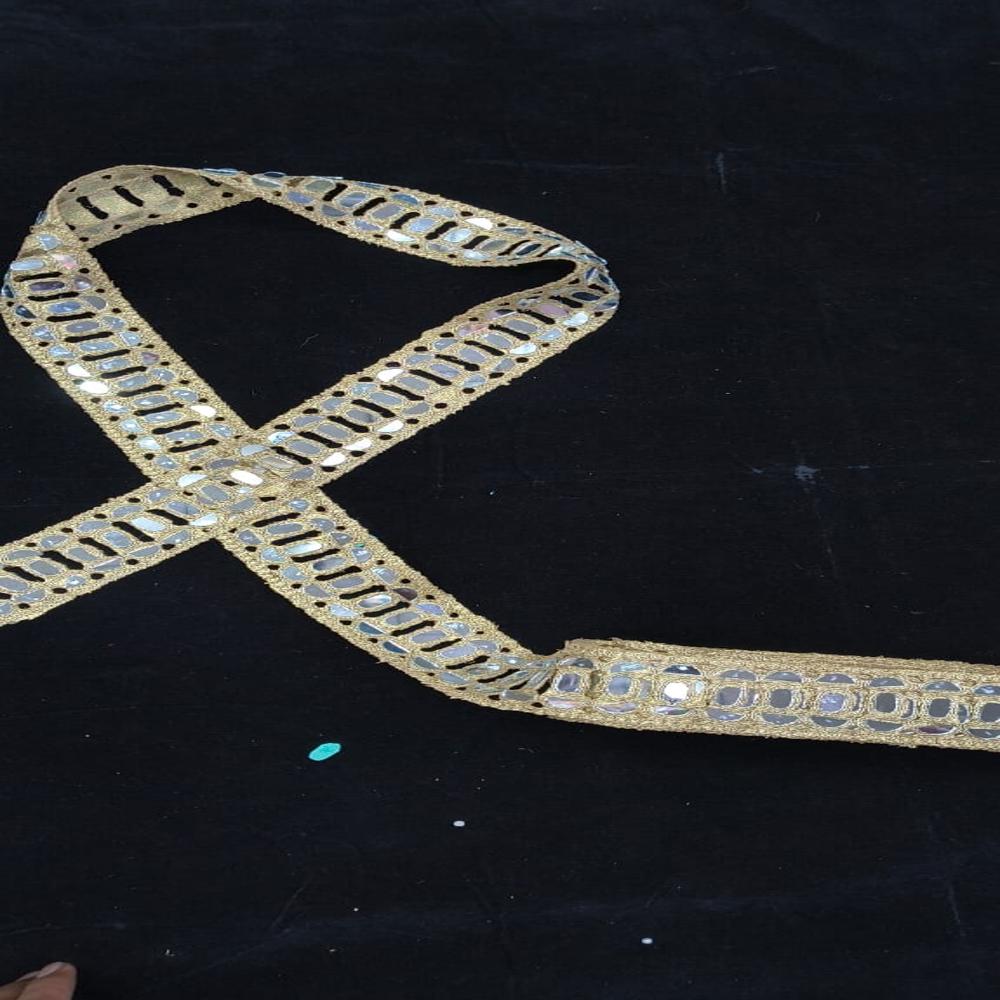
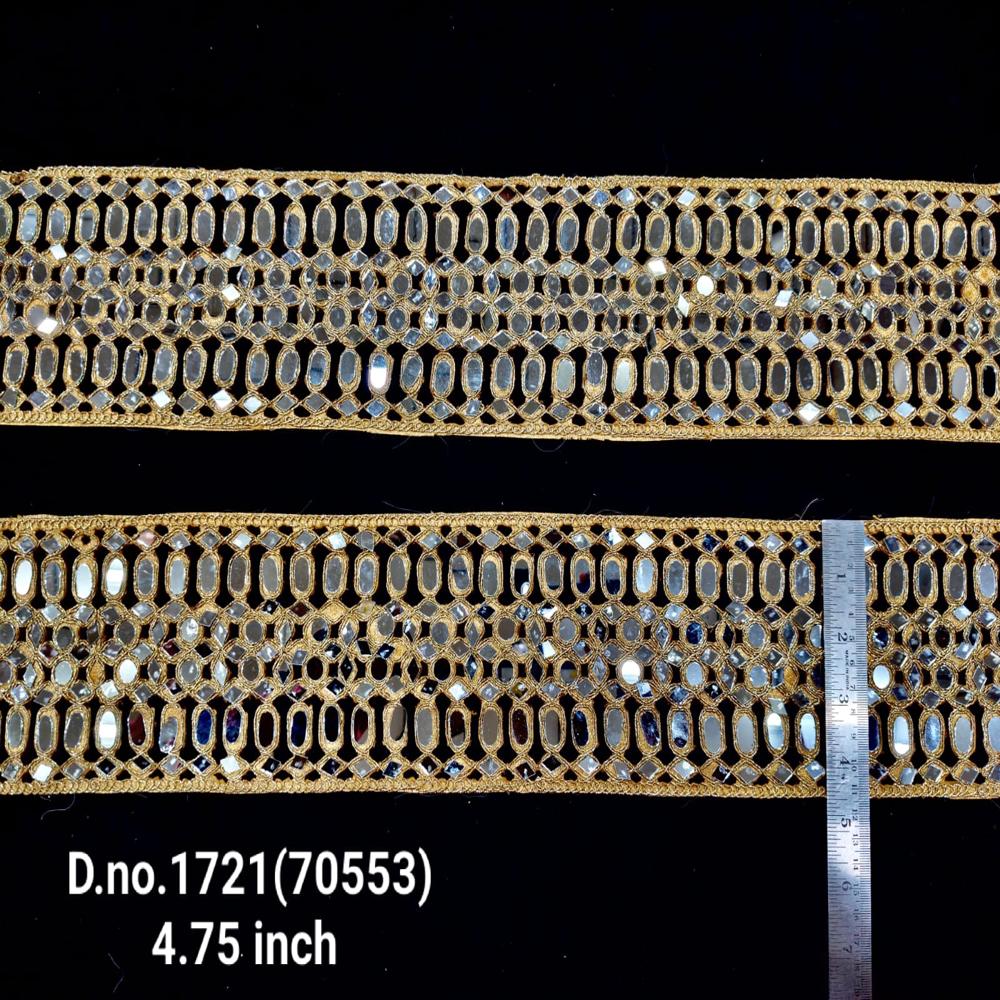
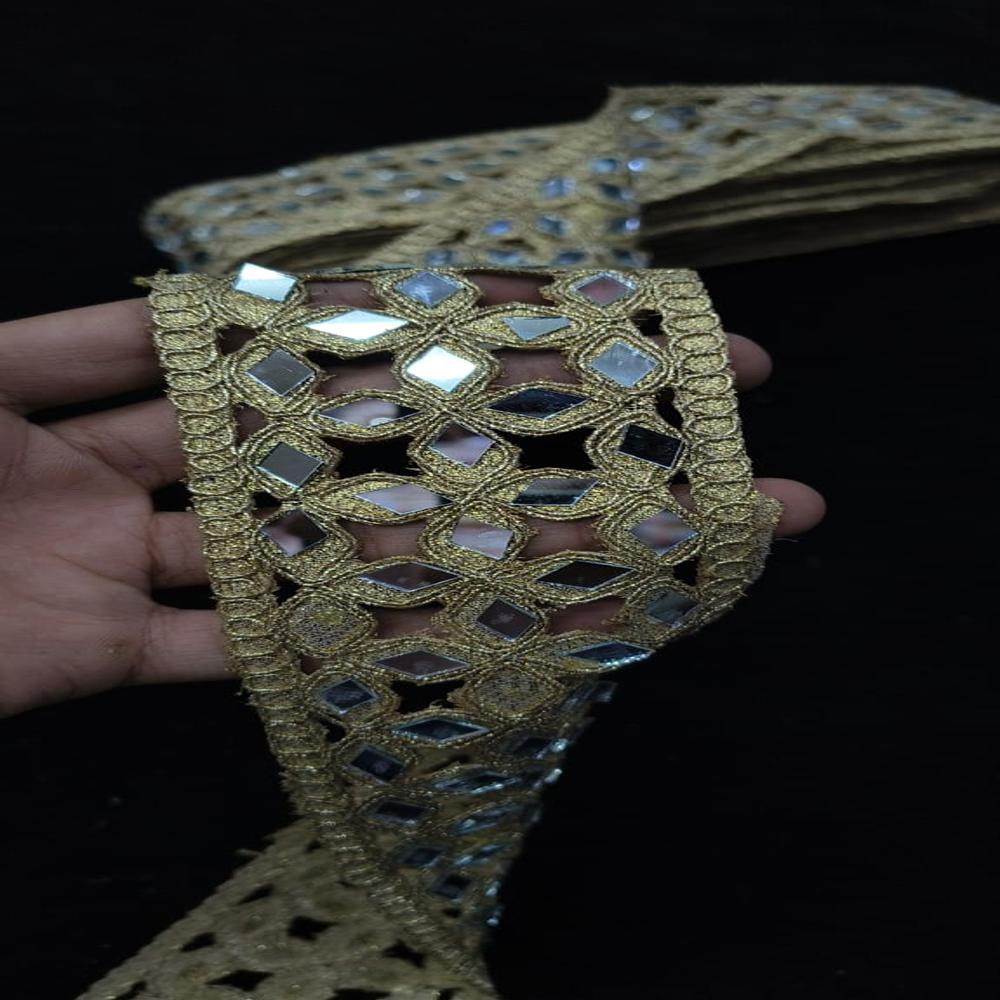
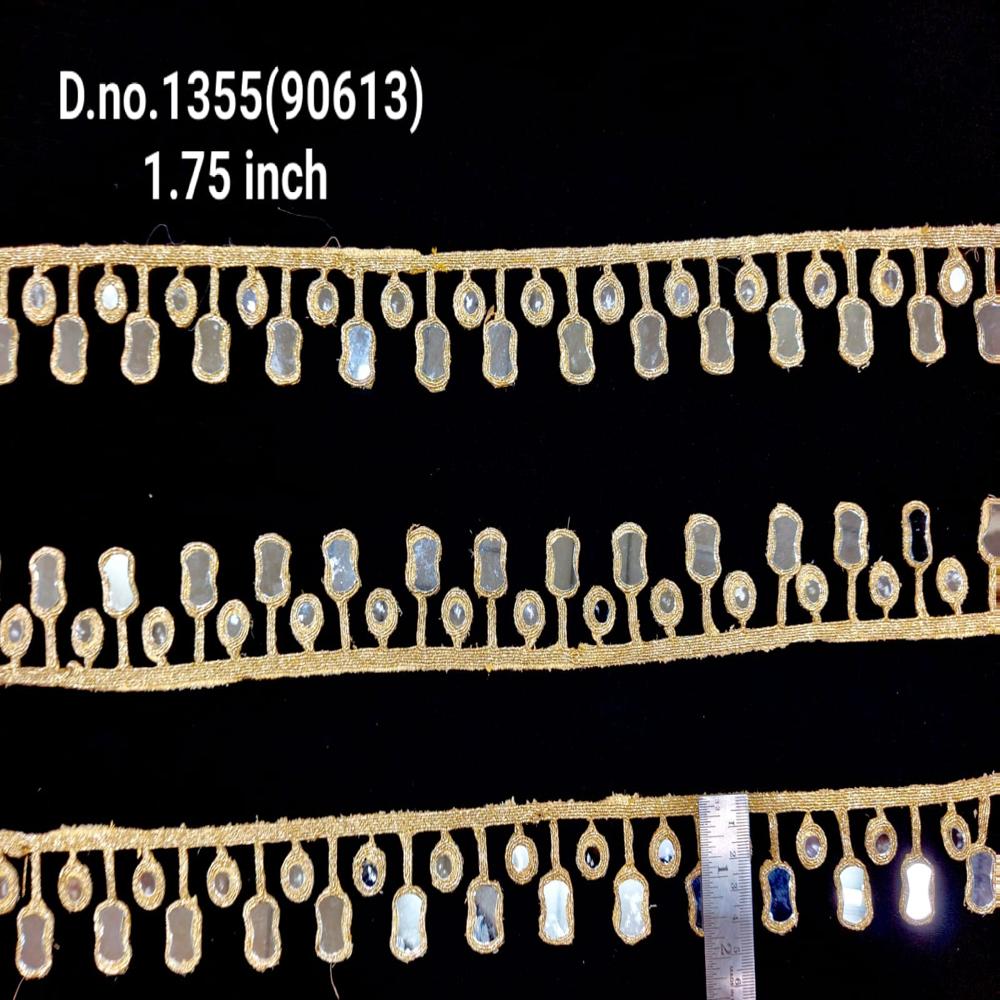
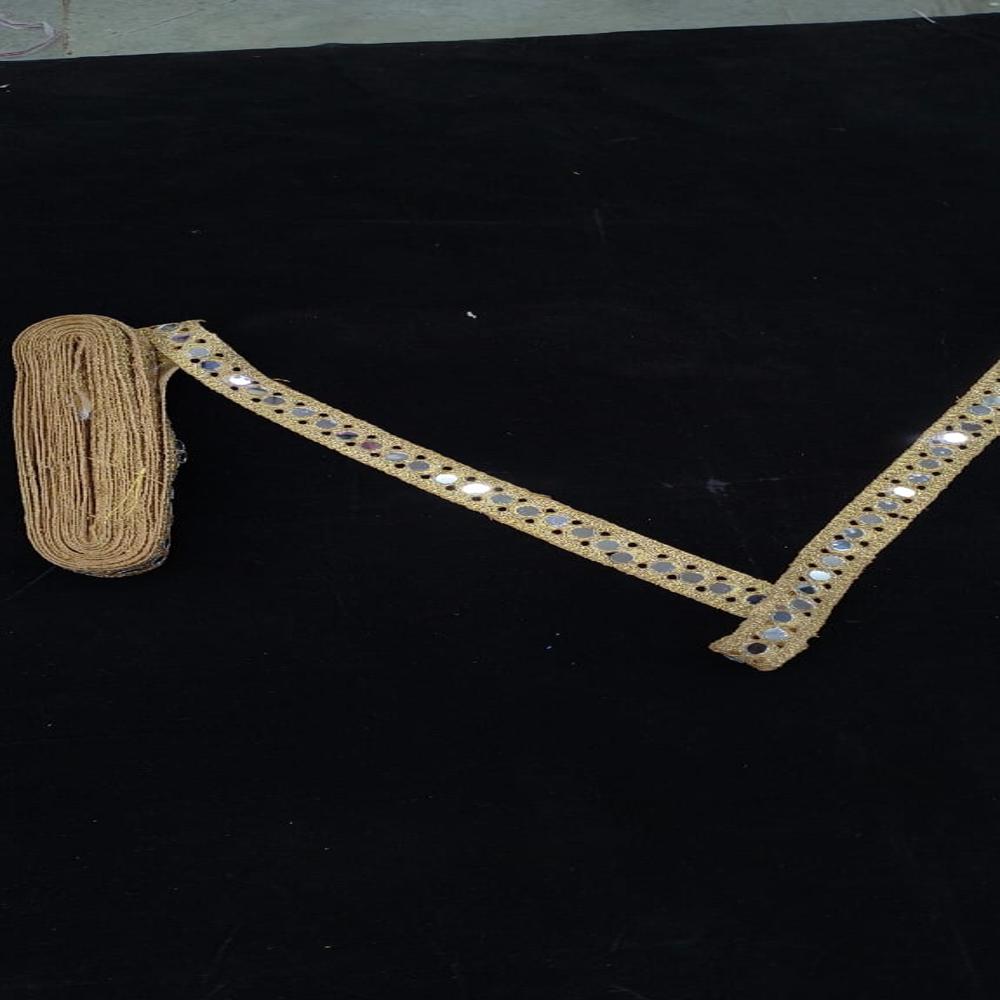
Mirror lace is a delicate and captivating textile art that blends intricate craftsmanship with reflective beauty. At its core, it combines the traditional elegance of lacework with the shimmering allure of tiny mirrors, creating a fabric that is both ornamental and expressive. Often associated with cultural attire and ceremonial garments, mirror lace holds a special place in regions where hand embroidery and textile decoration are deeply rooted traditions.
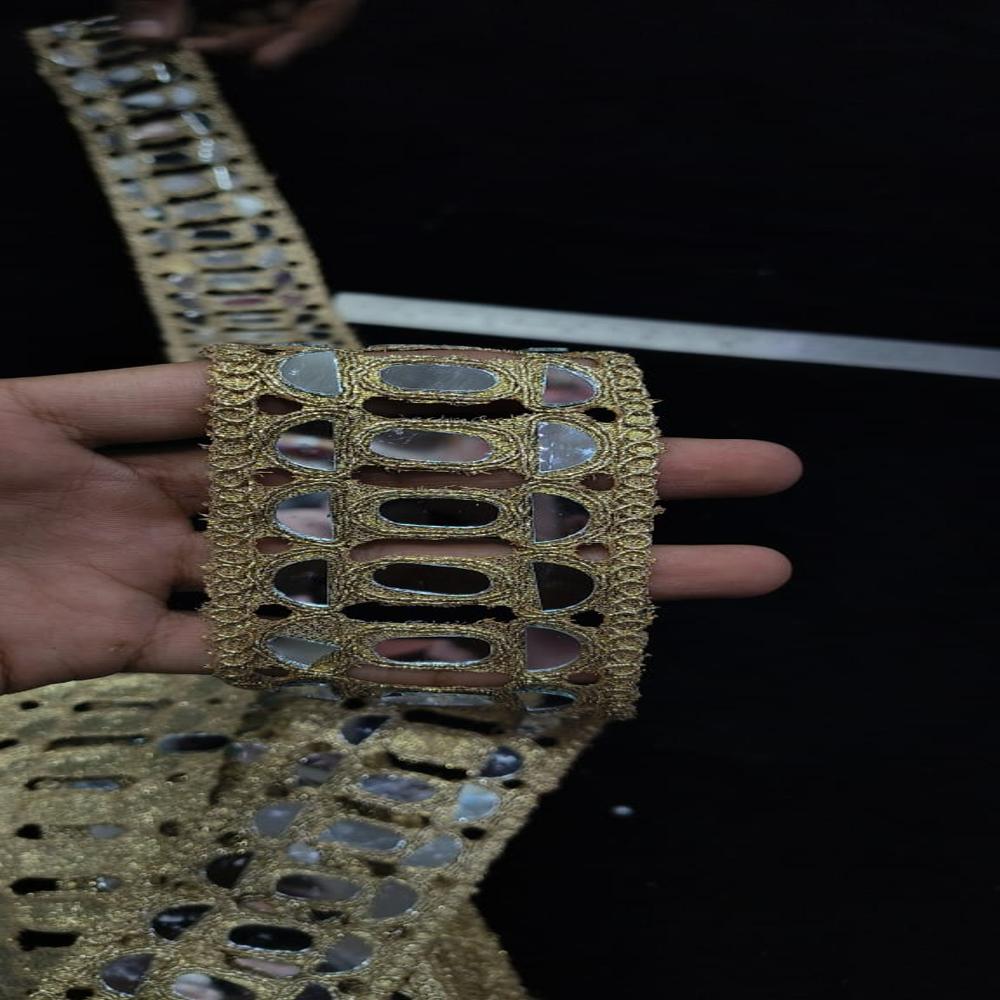
The process of creating mirror lace requires patience, precision, and a keen eye for detail. Artisans begin with a base fabriccommonly cotton, silk, or netand carefully map out patterns that will guide the placement of lace and mirrors. The lace itself may be handwoven or machine-made, featuring floral, geometric, or abstract designs. Once the lace is secured onto the fabric, small mirrors, often round or square, are stitched into place using decorative embroidery techniques. These mirrors are not merely attached; they are framed with thread in such a way that they become an integral part of the design.
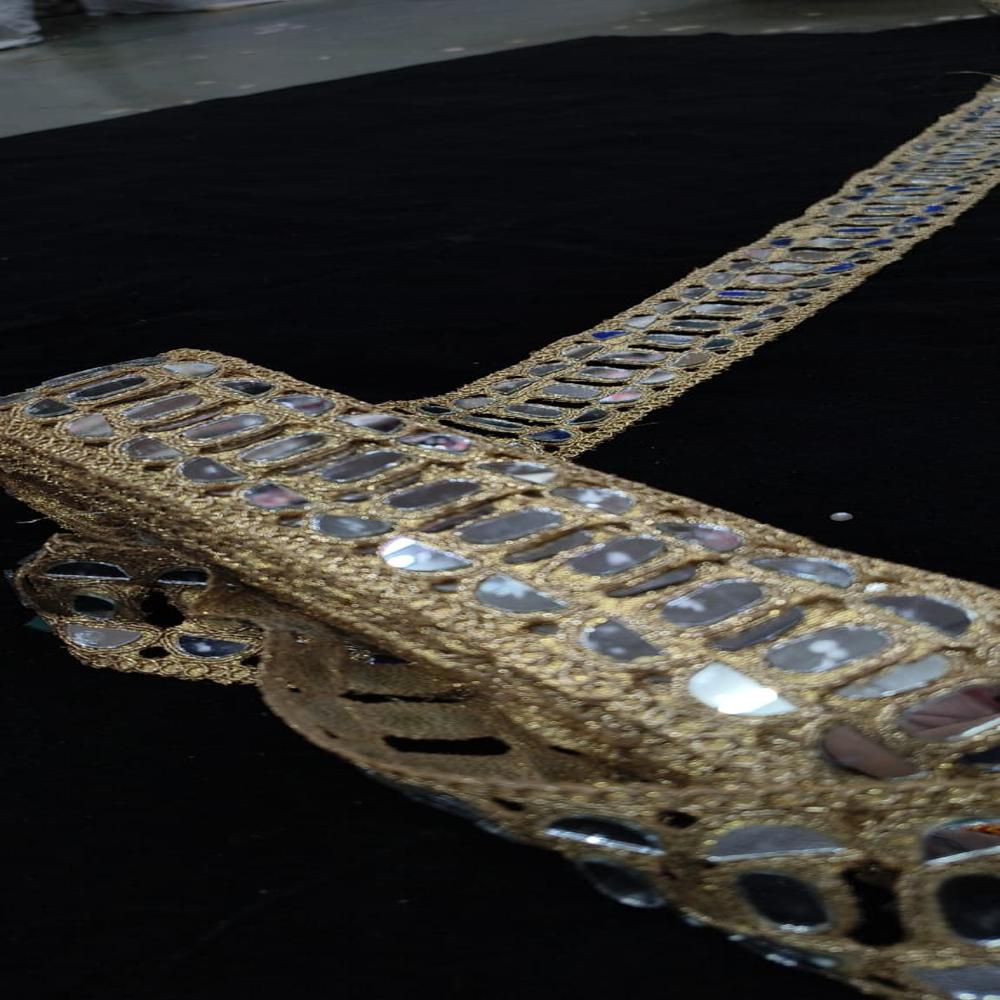
One of the most fascinating aspects of mirror lace is how it interacts with light. The mirrors catch and reflect light from different angles, giving the fabric a dynamic, almost quality. As the wearer moves, the reflections shift and sparkle, creating a mesmerizing visual effect. This makes mirror lace particularly popular in festive clothing, dance costumes, and bridal wear, where visual impact is essential.
Beyond its aesthetic appeal, mirror lace also carries cultural significance. In many communities, especially in parts of India, mirror work is believed to ward off negative energy. The reflective surfaces are thought to deflect harmful gazes, offering a form of protection to the wearer. This belief adds a layer of meaning to the craft, transforming it from mere decoration into a symbol of tradition and spirituality.
In modern fashion, mirror lace has found new expressions. Designers experiment with scale, combining large statement mirrors with fine lace for dramatic effect, or using subtle, miniature mirrors for understated elegance. It appears not only in clothing but also in accessories such as handbags, scarves, and even home dcor items like cushion covers and wall hangings. This versatility ensures that mirror lace continues to evolve while preserving its traditional roots.
Sustainability is another dimension where mirror lace is gaining attention. Handmade pieces support local artisans and promote slow fashion, encouraging consumers to value craftsmanship over mass production. Each piece tells a storyof the hands that created it, the culture it represents, and the creativity it embodies.
In essence, mirror lace is more than just a fabric; it is an art form that reflects history, culture, and innovation. Its delicate threads and shimmering accents come together to create something truly uniquean expression of beauty that transcends time and trends.






 Send Inquiry


 Send Inquiry
 Send Inquiry
 Send SMS
 Call Me Free